TL;DR: The highest value that generative AI (GenAI) unlocks for business is not replacing humans, but eliminating the time wasted on repetitive, mundane tasks. In 2026, the consensus is clear: GenAI is a tool for augmentation, not substitution. Your strongest advantages remain uniquely human skills - empathy, judgment, and ethics - while AI handles the speed and scale.
Let's dive in to see where AI succeeds and where human in the loop is not optional.
What are Human Skills that AI Cannot Replace?
A landmark 2025 study from MIT Sloan, titled "The EPOCH of AI: Human-Machine Complementarities at Work," redefined how we view job security. The researchers moved away from "automation risk" to look at EPOCH levels - a framework of human-intensive capabilities that AI simply cannot replicate.
The EPOCH Framework
E: Empathy and Emotional Intelligence – Navigating complex human emotions and psychological safety.
P: Presence, Networking, and Connectedness – Building genuine human trust and professional relationships.
O: Opinion, Judgment, and Ethics – Making moral choices and high-stakes decisions where data is biased or small.
C: Creativity and Imagination – Solving novel problems that require a leap of "imagination" beyond existing data.
H: Hope, Vision, and Leadership – Inspiring teams and setting a long-term "Why" that motivates action.
The study found that between 2016 and 2024, there was a measurable increase in the frequency of these high-EPOCH tasks. As AI takes over "predictable" work, the labor market is systematically shifting toward these human-centric roles.
Replacing Humans with AI has not worked well for organisations
Daily news is awash with examples of corporate goofups where replacing portions of human workforce with AI have led to brand value hit, negative customer perception and business loss.
Fintech firm Klarna in 2024 replaced 22% workforce (700 employees) by AI only to realise AI agents can't replace the connection humans agents offer. The whole ordeal however, which led to a 35% increase in customer dissatisfaction following their AI-driven changes, and the reversal costed the company $15 million with no actual financial gain.
Duolingo in 23-24 replaced freelancers in favor of AI but had to bring back humans when customers reported AI as robotic, boring, lacking cultural nuance, leading to people leaving their platform. McDonalds tried to replace drive-through staff with AI Agents, only to have bacon added to ice cream orders. Rolled out in partnership with IBM, the series of mishaps caused include ordering $200 + worth of chicken nuggets. Such costly mistakes led to customer ridicule on social media, prompting McDonalds to roll back voice agents in this past year.
The narritive was simple- humans are slow, expensive, and prone to error. AI evangelists pushed a vision where lean businesses rolled in billions in profits. But the verdict is clear.
The 'AI first' experiment is failing. Replacing staff with software has tanked quality and sent costs soaring, making one thing clear: you can't automate the human intuition that drives success.
The real unlock around AI thats actually helping businesses however, is where humans and AI coexists. Let's understand how.
How Does Generative AI Accelerate Business Workflows?
While humans lead with EPOCH skills, AI provides the speed and scale to remove friction from daily operations. Multiple rigorous studies confirm that GenAI is a massive "skill leveler," providing the biggest boosts to lower-skilled or newer workers.
Consulting (BCG 2023 Study): In a test of over 700 consultants, those using GPT-4 completed tasks 25.1% faster and produced 40% higher quality results than those without AI. Consultants who started below the average performance threshold saw a staggering 43% jump in performance.
Coding (GitHub/Accenture 2025): Software developers using AI pair programmers like GitHub Copilot completed coding tasks 55% faster. Beyond speed, 90% of developers reported higher job satisfaction because they could focus on "satisfying work" like architecture rather than boilerplate code.
Customer Support (Zendesk/MIT 2025): AI assistants increased average productivity by 15% (inquiries resolved per hour). For less experienced agents, the boost was even higher - up to 34%, as AI provided "proven response patterns" and real-time guidance.
Data-Driven Efficiency Examples:
Customer Service: AI now handles 50% of basic customer queries (like order tracking or password resets), freeing agents to handle high-emotion escalations.
Fraud Detection: In 2025, AI systems detect up to 95% of fraudulent patterns in real-time. By flagging "anomalies," they save human fraud analysts an estimated 60% of their manual review time, allowing them to focus only on complex "gray area" investigations.
Why Generative AI Complements - Rather Than Replaces - Human Expertise
The future of work is a partnership. AI acts as a "Cyborg" or "Centaur" (terms coined in the BCG study), where labor is split based on what each does best.
Task Category | AI's Work (Efficiency) | Human's Work (EPOCH) |
Research & Analysis | Sifting through 10,000 documents in seconds. | Determining if the data is biased or contextually relevant. |
Creative Content | Drafting 50 variations of a marketing headline. | Choosing the one that resonates emotionally with the brand's vision. |
Customer Service | Instantly retrieving a customer's 5-year history. | De-escalating an angry customer with genuine empathy. |
Technical Design | Generating 1,000 structural blueprints based on specs. | Deciding which design is "ethical," "sustainable," and "visionary." |
Case Studies: AI-Human Collaboration in Action (2025)
Successful 2025 deployments show that AI is most effective on data-centric tasks that require minimal subjective judgment.
Financial Fraud (Tookitaki FinCense): Banks now use AI to monitor millions of transactions for AML (Anti-Money Laundering). The AI flags the 1% of suspicious "behavioral risks," but human compliance officers make the final legal determination, ensuring that legitimate customers aren't "locked out" by a machine's error.
Marketing (Canva/Magic AI): Design teams use AI to remove backgrounds, generate mockups, and translate copy into 20 languages instantly. This has reduced content production time by 60%, allowing designers to spend their time on brand strategy and customer networking.
The Future: Agentic AI as High-Value Assistants
We are moving past "Chatbots" into the era of Agentic AI. By 2026, AI "agents" won't just answer questions; they will be autonomous project managers that can plan, execute multi-step workflows, and interface with third-party services.
Autonomy with Oversight: These agents monitor system logs or supply chains 24/7. When a crisis occurs, they don't just alert a human—they present three data-backed solutions, leaving the human leader to exercise the "Opinion and Judgment" required to choose the path forward.
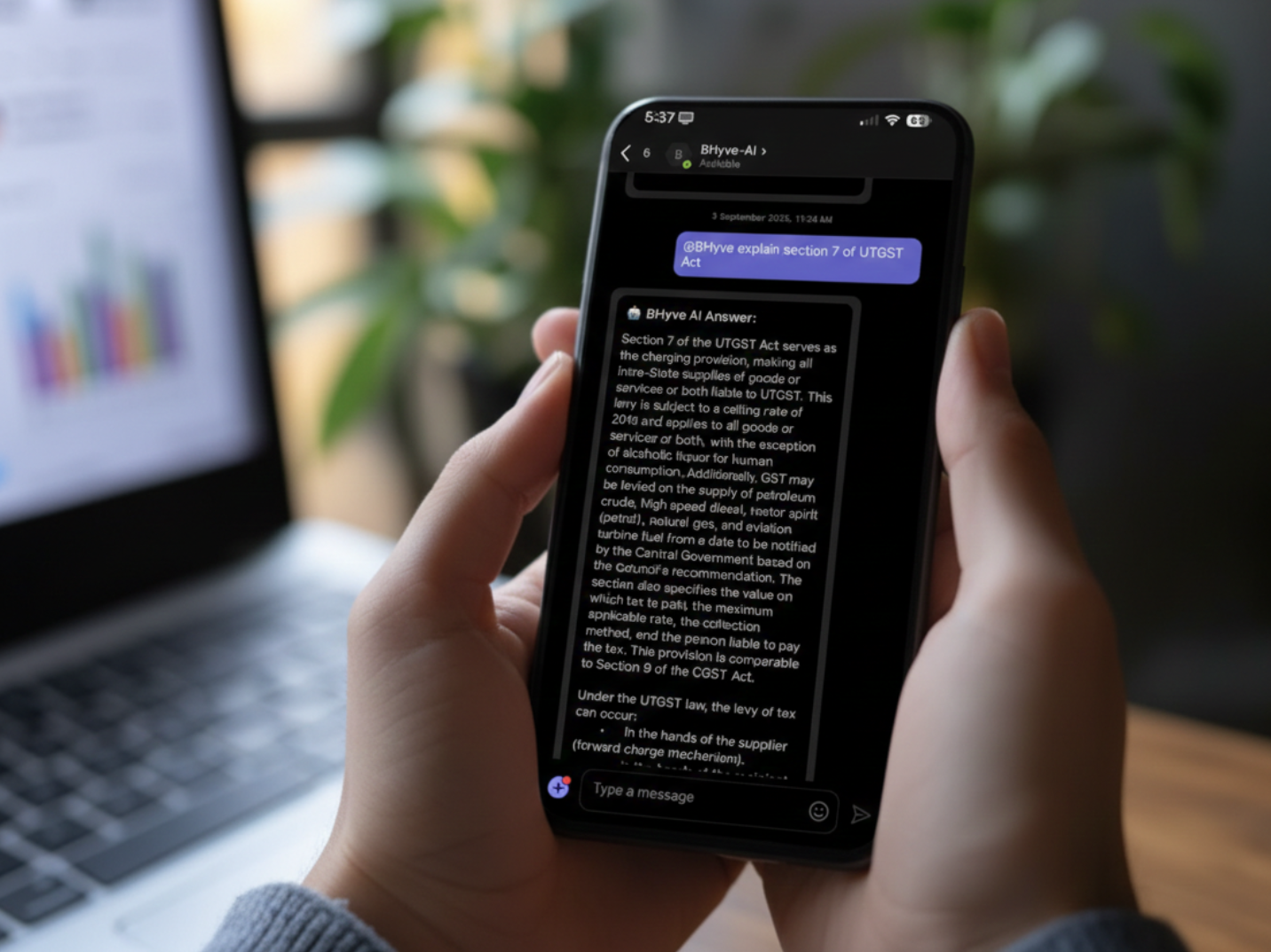
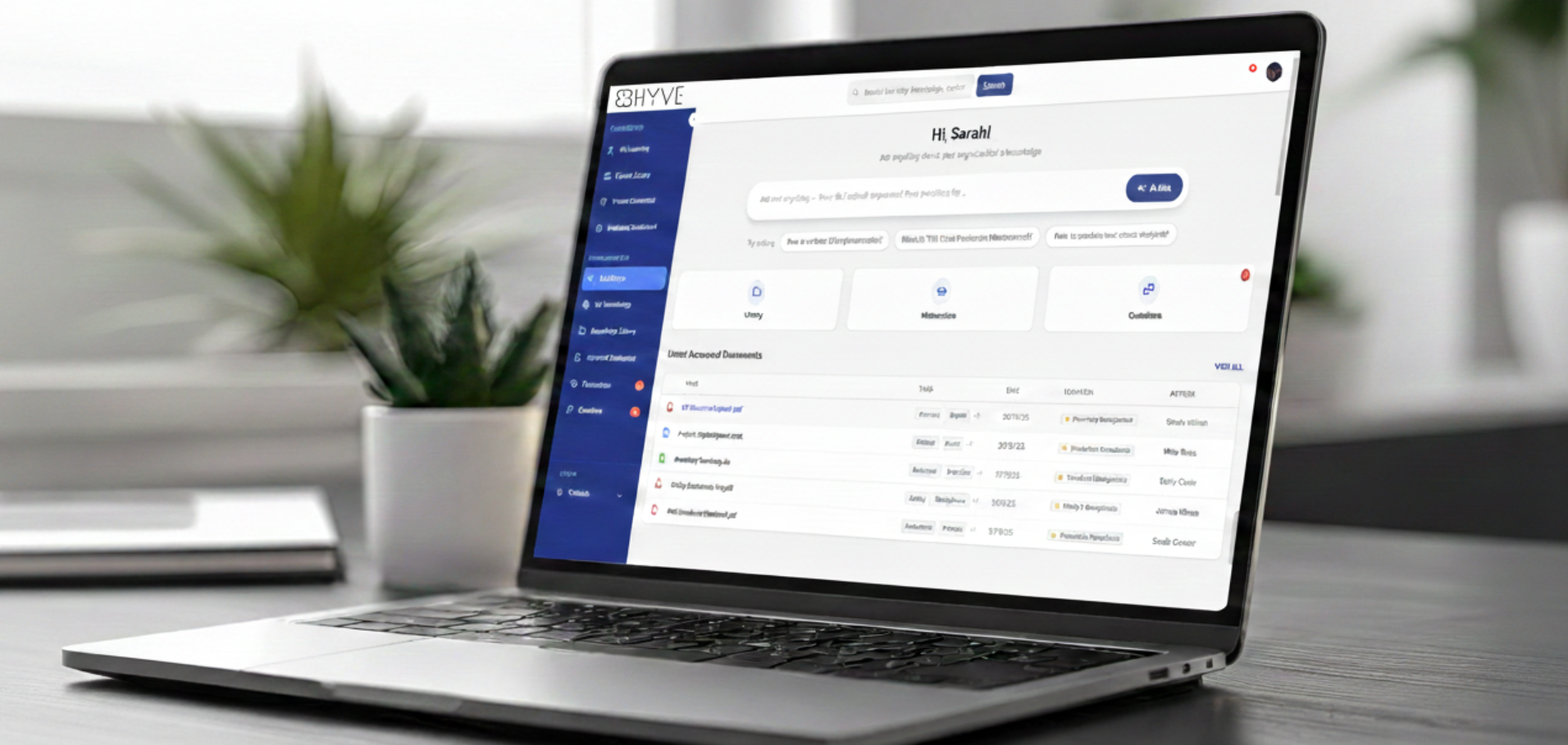
Knowledge Management: Agentic AI (like BHyve) transforms a company’s scattered files into a living "Collective Intelligence." It allows employees to work smarter by instantly surfacing "tribal knowledge" that would otherwise take hours to find.
Frequently Asked Questions (FAQ)
Q: Will AI eventually learn empathy or ethics?
A: No. As noted by MIT researchers, AI is based on "universal approximation functions." It can simulate empathy, but it cannot truly feel or apply moral judgment in high-stakes, non-data-driven scenarios.
Q: Should I worry about my job if I am a "high-performer"?
A: High-performers benefit from AI by offloading "drudge work." While AI acts as a skill-leveler for novices, it allows experts to focus exclusively on high-EPOCH tasks that drive the most business value.
Q: What is the biggest risk of using GenAI?
A: "Blind adoption." The BCG study found that consultants performed 20% worse when they blindly followed AI on tasks "outside the frontier" of its capability. Human oversight remains the ultimate safeguard